I Sent My Agent a Photo of My Problem. It Picked the Brand and the Store.
My lawnmower broke a sprinkler lid. I sent Meta's shopping agent one photo, and it picked the brand, the part and the store. Here's how agents like Muse and ChatGPT make those choices, and what brands can do about each one.
On this page
The short answer
I sent Muse, Meta's shopping agent, a photo of a broken sprinkler lid. It worked out the size, picked a brand and a part, compared stores on delivered cost and tried to check out. I never named a brand or a store. Shopping agents decide in steps: what you need, which brands they already know, what they can read, which prices they can confirm and where checkout works. A brand can win or lose the sale at each one.
One photo and one sentence#
On a Sunday afternoon my lawnmower hit the lid of a sprinkler valve box in my yard and shattered it. I took a photo with a tape measure across the opening and sent it to Muse, Meta's shopping agent, with one line: replace this, here are the measurements, find me the best option.
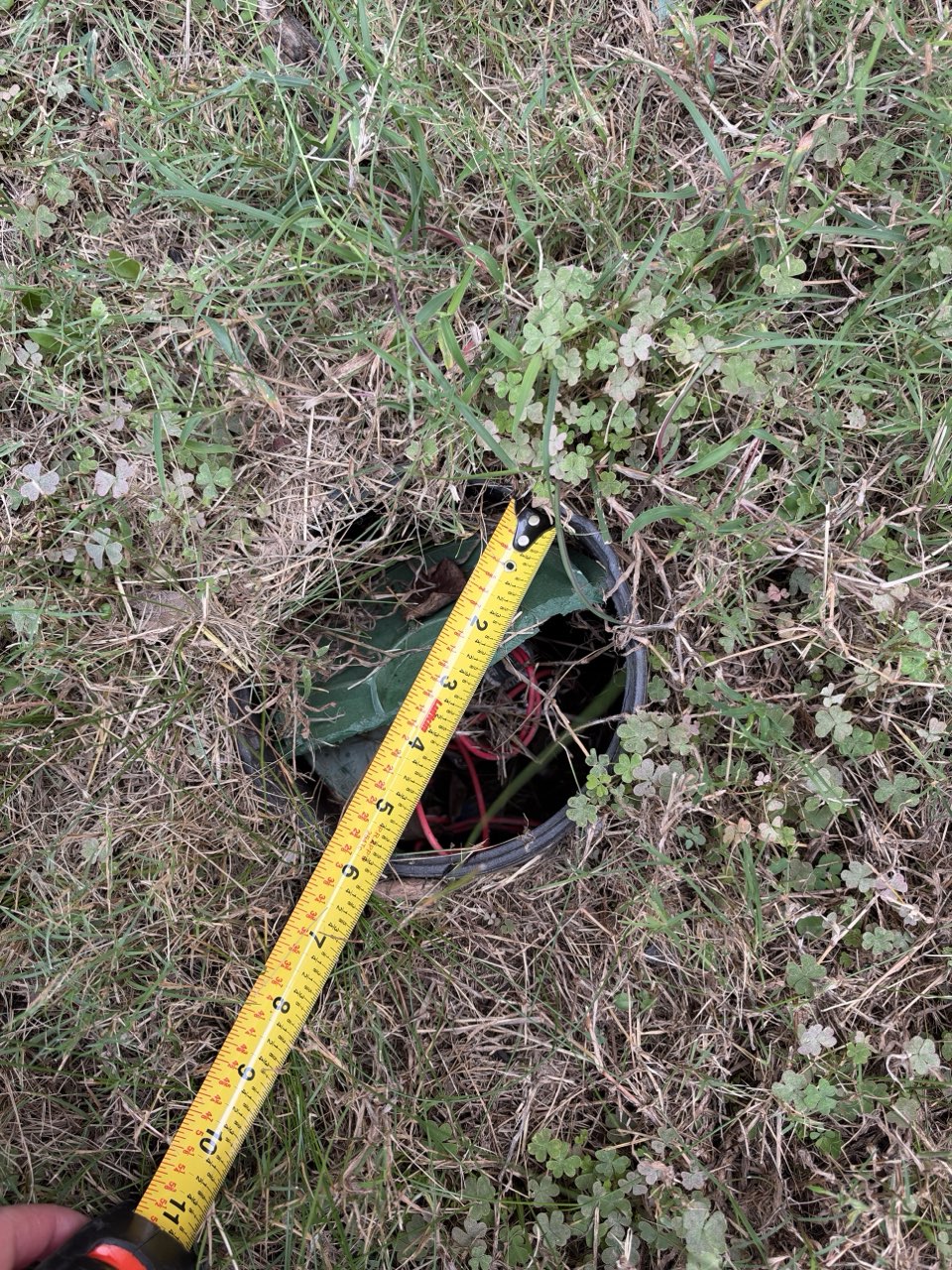
I didn't name a brand. I couldn't have. Five minutes later Muse had read the tape as a standard 6-inch round box, noticed the box itself was fine so I only needed a lid, and picked one: an NDS lid, model 107C, $5.97 at Home Depot with free delivery.
I told it to order. Home Depot's site started showing an error page partway through checkout and kept showing it through 15 minutes of retries, so Muse stopped and told me nothing had been charged. Amazon blocks Muse, so it gave me a search to paste into Amazon myself. Then it went back out and found the same lid at Walmart for $10.02 with free shipping. I ended up buying a 2-pack on Amazon for about the same price.
The agent chose the brand, the part and the first two stores. I picked only the last store, and only because I went somewhere the agent couldn't.
In Issue 1 I predicted agents would compare delivered cost across stores. This one did. So I wanted to understand the rest of how it decided, and what that means for the brands on the other end.
How a shopping agent decides#
Muse explained each choice as it went, which makes the steps easy to see. For the ChatGPT side, we ran 50 shopping questions on November 3 for a brand we looked at, some using the brand's name and most not.
1. It turns your problem into a spec#
Muse never needed a product name. It got a size from the tape, a type from the photo and a scope, lid only, from seeing that the box was intact. Then it searched for products that matched those facts.
That's how a description becomes a search: size, fit, what's in the box. So the facts on your product pages are what get matched, and they have to agree. When we compared the brand's site with its retailer listings, they didn't agree on how many pieces came in the box. And in 5 of 14 questions about the brand's products, ChatGPT pulled the brand's old crowdfunding page as a source. When your facts disagree, the agent can repeat any version.
2. It starts with brands it already knows#
Muse picked NDS because, in its words, that lid is "the standard lid for the most common 6-inch round box." It knew the default before it compared anything.
ChatGPT does the same thing. Of the 32 answers that didn't use the brand's name, ChatGPT searched the web in 21. In 5 of those, the search it typed already included competitor brand names, something like "best [product] for beginners [Brand A] [Brand B]." When we asked 12 questions through OpenAI's developer API, 5 answers didn't search at all and still named five or six brands.
For the brand we looked at, it showed:
| How the shopper asked | ChatGPT named the brand |
|---|---|
| Used the brand's name | 18 of 18 |
| Described a need instead | 4 of 32 |
The second shopper is where new customers come from. The good news is that nobody owns the category yet: the most-named competitor showed up in only 8 of those 32 answers.
So where does an agent's sense of "standard" come from? OpenAI says ChatGPT picks products using product data from brands and retailers plus what other sites write about them (OpenAI). Ahrefs found that how often a brand gets mentioned around the web tracks with whether Google's AI shows it far more closely than links to its site do (Ahrefs). Editorial lists and buying guides are one of the main places that happens. None of the 14 relevant lists and guides that AI tools cited for these questions named the brand we looked at.
3. It reads what it can reach#
Amazon blocks Muse, so Muse couldn't check prices there and handed the search to me. ChatGPT runs into the same wall: Amazon's site tells OpenAI's crawlers to keep out. Amazon ranked in Google's top 20 on 22 of our 50 searches, and ChatGPT linked to it zero times.
What ChatGPT read instead: across the 32 answers that didn't use the brand's name, about a quarter of its links went to editorial lists and buying guides, another quarter to competitors' own websites and 15% to big retailers like Target. Forums barely showed up, at 1%.
It isn't reading Google's results either. Only 11% of the sites ChatGPT linked to also ranked in Google's top 20 for the same search, so ranking on Google doesn't carry over.
That doesn't make Amazon less important. I still see it as the best distribution a brand can get and the center of the strategy. And across a wider set of 133 Google searches in the same category, Google's AI Overviews cited Amazon on 29 of the 88 that showed one.
4. It only counts prices it can confirm#
When Home Depot failed, Muse looked for the same lid elsewhere. Its shopping catalog showed it for $2 to $5 at a few sellers, but Muse didn't pick any of them. It pointed out that free shipping on one small part is rare, so it checked which sellers actually shipped free. One listing was cheaper on paper, but Muse couldn't confirm its free shipping, so it didn't count it. Walmart won at $10.02 delivered.
For a brand or a seller, that's the step to fix first: a price the agent can't confirm loses to one it can. Shipping cost and return terms need to be in the product data agents read, not only on a policy page.
Muse also draws from two places. Outside research from Profound, reported by PPC Land, found that in one category Meta's catalog returned about 60 products per question while Muse's browser visited about 3 websites, and 4 of a typical 6 picks came from the browser. Meta hasn't published how Muse ranks stores.
5. It buys where checkout works#
Home Depot had the best deal and lost the sale because its checkout broke partway through. Amazon got the sale only because I went there myself. However good your price is, a store whose checkout fails for the agent loses the sale at the last step.
6. It gives a different answer tomorrow#
Agents aren't consistent. In our check, questions worded almost the same shared at most one recommended brand. When we asked the same 7 questions in ChatGPT, OpenAI's developer API and Google's Gemini developer API, they named more than 40 brands, and only about 6 came up in all three. Ahrefs found at least half the sources AI tools link to are gone the next day, and most come back within 20 days (Ahrefs). One answer tells you very little.
What brands can do at each step#
1. One set of product facts, everywhere. Write down the facts for each product once, from size and fit to what's in the box. Make every listing match your site. Fix or retire old pages that still get quoted, like an old crowdfunding page or press release.
2. Get on the lists the agent learns from. Ask ChatGPT a few of your shoppers' questions and note which gift lists and buying guides it links to. Send product to reviewers and pitch editors before their seasonal updates, and keep your press coverage fresh. It's the slowest step and placement is the editor's call, so start it first.
3. Be complete at every store, Amazon included. You don't know which store an agent can reach. ChatGPT linked to Target in almost half of its answers and to Amazon in none. Your Where to Buy page should list every retailer that carries you, with links that work. A complete Amazon listing still feeds Google's AI, so keep it complete too.
4. Make your price and shipping easy to confirm. Put shipping and return terms in the product data you send Google, not just on a policy page; Google trusts Merchant Center, its seller dashboard, over what's written on your page (Google). Then check the product data your store platform shares with AI shopping tools, so pack counts and return terms are current there too.
5. Try buying your own product with an agent. Ask one to buy it at each store you sell through and see where it gets stuck. You can't fix a retailer's checkout, but you can make sure your other listings are complete, so the agent has somewhere else to go.
6. Measure the questions that don't use your name, over weeks. Questions with your brand name tell you little, because the agent finds you when it's told to. Our 50 questions covered about 45 different requirements, like a budget, a size or a material to avoid, and that was one brand's category. Build your list from how real shoppers ask; Issue 2 covers where to find that. Track how often you're named across more than one assistant, and read the trend rather than one day's answer.
What to expect#
Product page fixes and Where to Buy changes are the fastest part. Google says recrawling "can take anywhere from a few days to a few weeks" (Google). We'd expect new guides and new mentions on other sites to start showing up in some AI answers over the next one to two months, unevenly. My read is that what the AI already "knows" changes more slowly, since that updates with new models rather than with each page you fix. We plan on about three months of checks before calling a trend.
Where this goes#
New shopping agents keep launching, and the models behind them keep changing. Nobody can tell you which store or source the next one will lean on. What you can control is being correct and complete everywhere. Think of it like drilling for oil: a listing you barely thought about could start selling because a new agent happens to prefer that store.
Which brings me back to the sprinkler lid. Home Depot had the better deal and lost only because its checkout broke, and Walmart was the agent's backup. I think retailers with stores near their shoppers have an opening on small purchases like this one, where shipping decides the sale. When their sites work reliably for agents, brands with complete listings there will be ready.
If you'd like to see how agents decide in your category, get in touch.
Texin.ai runs Amazon for brands and builds the content that helps them get found in AI search and by shopping agents. Talk to us.
Frequently asked questions#
What is agent optimization?
Agent optimization means making sure AI assistants and shopping agents can find your products, describe them correctly and recommend them. It covers having the same product facts everywhere an agent might look, being listed at every store you sell through, putting shipping and return terms in your product data, and appearing on the third-party lists and reviews that AI reads.
How do AI shopping agents decide what to recommend?
In steps. They turn the shopper's request into a spec, start from brands they already know, read the sources they can reach, compare prices and shipping they can confirm, and buy where checkout works. In our check, some of ChatGPT's own searches already contained competitor brand names.
Does ranking well on Google mean ChatGPT will recommend you?
Not reliably. In our check, only 11% of the sites ChatGPT cited also ranked in Google's top 20 for the matching search.
Why didn't ChatGPT cite Amazon?
Amazon's site tells OpenAI's crawlers to keep out, which likely explains why ChatGPT's answers in our check never linked to Amazon. Google's AI Overviews still cite Amazon because they draw on Google's own search results.
How long does it take to show up in AI answers?
Google says recrawling takes a few days to a few weeks. We'd expect new content and third-party mentions to start appearing in AI answers over one to two months, unevenly. Plan on about three months of repeated checks before reading a trend.
How do you measure whether AI recommends your brand?
Ask a fixed set of shopping questions that don't include your brand name, across more than one assistant, on a schedule, and track the share of answers that name you and which sources they cite.